
Whoa, that’s wild. I was poking around transaction sims last week, testing edge cases. They caught gas spikes and reordering bugs before I signed anything. Simulations save me from dumb mistakes I would’ve made on mainnet. At first glance simulation felt like extra complexity, though when you lean in it reveals subtle mempool behaviors, MEV risks, and contract-level fallbacks that are invisible during a normal approval flow.
Seriously, can you believe it? Transaction simulation isn’t new, but its UX is getting sharper. Useful sims show gas, reentrancy, token approvals, and state diffs clearly. Initially I thought that on-device signing plus a simple popup would suffice, actually wait—let me rephrase that; a better model pairs on-device signing with pre-execution simulation, RPC-level mempool inspection, and optimistic UI warnings. On one hand a simulation layer can slow wallet flow, though actually it reduces cognitive load over time because users stop guessing and start acting with data-backed confidence.
Hmm… this stuck with me. dApp integrations are part of the picture now too. Bridging simulation into dApps means fewer failed txs and less support tickets. When a site can call into a wallet’s simulate API the UX becomes proactive. That handshake, though, requires standardizing how results are presented — gas breakdowns, revert traces, and token transfer previews — so users don’t get overwhelmed by raw logs but still can audit critical lines.
Whoa, neat and useful. Wallets that expose simulation can surface approval scopes and token allowances earlier. Developers should embed flags to request deeper analysis when needed. On the technical side these simulations hook into trace APIs or local EVM forks, they step through opcodes, and they can emulate replay conditions which is essential to reveal subtle bugs that only appear under specific block contexts. My instinct said ‘keep it lightweight’ at first, but then I watched a user save hundreds in gas and cancel a malicious approval after seeing an ugly token transfer trace, and that changed my mind about tradeoffs.
Okay, hear me out. Portfolio tracking matters just as much for power users. When balances, LP positions, and unrealized gains are grouped it helps decision-making. Good tracking also surfaces hidden bridged tokens and stale approvals. If your wallet can combine historical trades, on-chain labels, and external price feeds you get context for risk — for example some positions look profitable until you factor in slippage and exit gas during congestion windows.
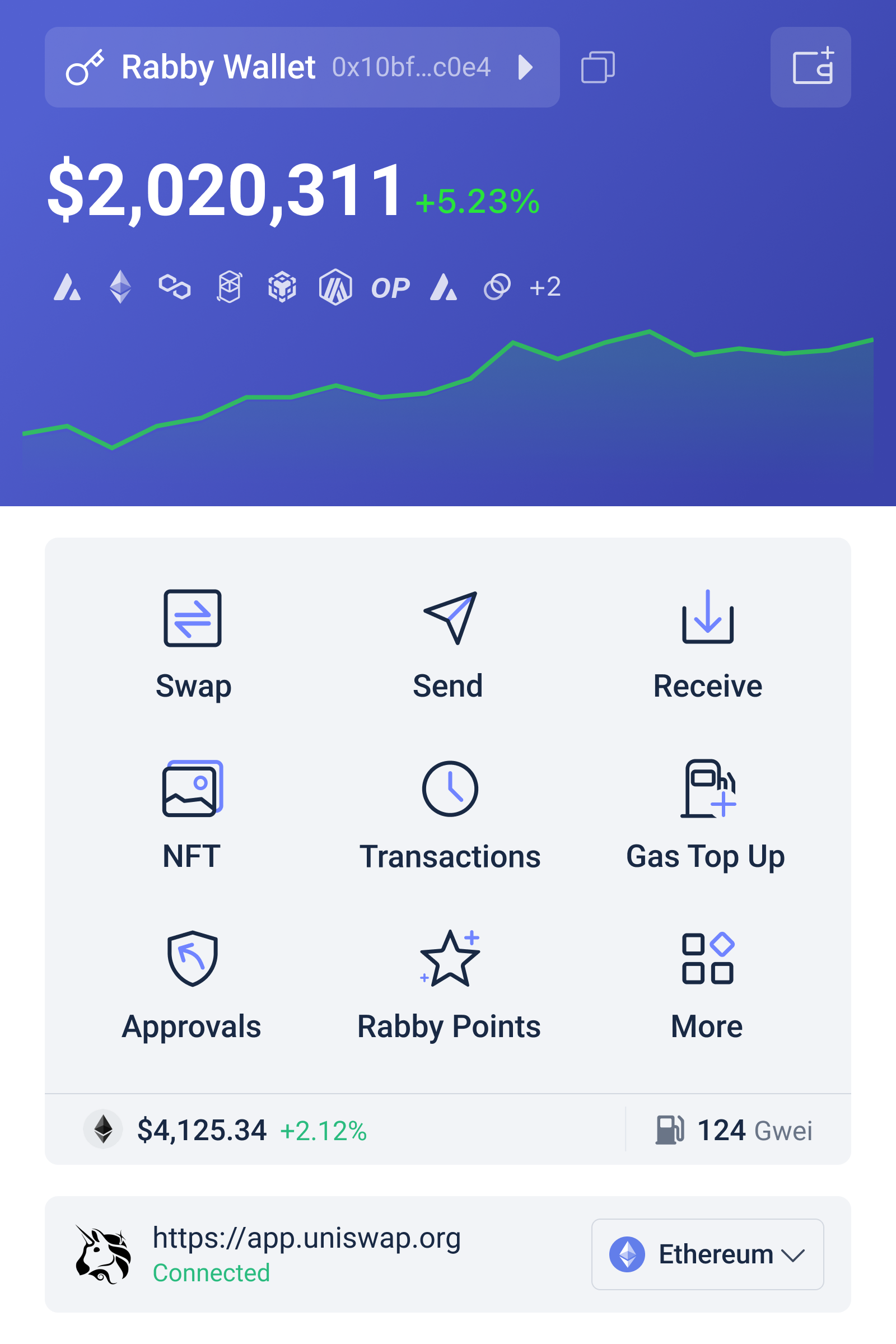
I’m biased, sure. Security features should be obvious and not buried anymore. Multisig, hardware detection, and transaction simulation combine together well. Something felt off about many wallets’ approvals flow; they show an ERC-20 approve but hide whether a transferFrom will instantly drain funds under certain allowance semantics, and that’s a huge UX blindspot. My instinct said ‘look for a wallet that simulates transfers and shows state diffs before signing’, and I found that this pattern dramatically reduces scam success rates when users actually read the simulation output instead of mindlessly clicking confirm.
Really, that’s the kicker. Integration depth varies across wallets and dApps considerably today. Rabby-style UX focuses on simulation and clarity rather than bells and whistles. When I demoed a prototype the audience immediately asked for transaction previews and approval scopes. On one hand adding these features increases engineering surface and testing burden, though actually the payoff is lower support costs and fewer irreversible losses because users have more time to detect suspicious behavior before anything moves on-chain.
Wow, that’s practical. dApps can opt-in to deep simulation requests when performing sensitive flows. Make it a progressive disclosure so casual users aren’t overloaded. A good pattern is lazy-detail: show a concise safety summary first, then allow expanded traces with opcode-level insights and risk scores so power users can drill down without scaring novices away. That balance—between accessible summaries and audit-grade logs—felt like the right compromise after several usability tests where participants were torn between too much info and too little actionable guidance.
Oh, and by the way… Wallet devs should expose a simulation API for dApps. That API must standardize results: gas, state-diffs, call traces, and human-readable warnings. Interoperability lowers friction when a marketplace or swap wants to verify a complex path. I watched a small defi protocol integrate a simulator and the number of failed bridge transfers dropped markedly because users could preview cross-chain token movements and see the exact call sequence before signing anything. These improvements cut refunds and disputes, and they built trust fast.
Practical takeaway and where to start
I’m not 100% sure. There are tradeoffs and edge cases to consider carefully. Offline simulation requires careful syncing and fee modeling work. Practically, teams should invest in telemetry, falsifiable test suites, and clear UX patterns; these investments reduce lost funds and increase trust because users see reproducible previews that match what eventually lands in the block. If you want a wallet that treats simulation, dApp integration, and portfolio tracking as first-class citizens check an ergonomic option like rabby wallet which focuses on transaction previews, approval clarity, and a sensible portfolio overview to keep you out of mistakes.
FAQ
How much does simulation slow down signing?
Not much if implemented well. A quick summary-first simulation can run in background threads while a succinct safety badge appears inline. Detailed traces can be loaded on demand so novice users aren’t blocked, and power users get full visibility when they want it. Somethin’ to watch for: RPC throttling and stale mempool states can create false negatives, so build retries and versioned simulators into your stack.


